
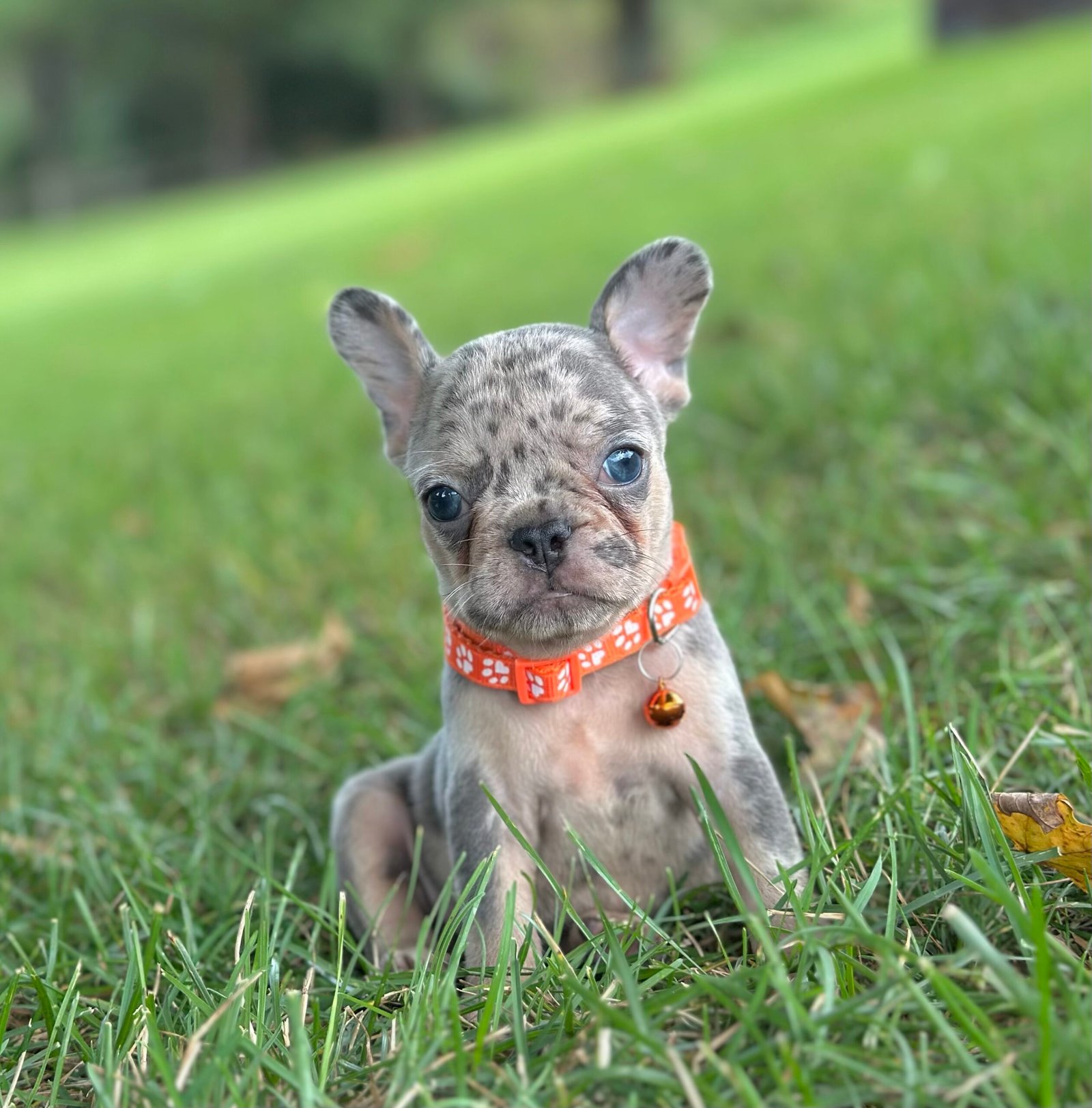
French Bulldog Puppy Care Guide: Bringing Your New Frenchie Home
Quick Answer
French Bulldog puppies are affectionate, adaptable companions that generally need modest daily exercise, consistent routines, positive training, regular grooming, and extra protection from heat. The first few days at home are often the biggest adjustment period, so focus on helping your puppy feel secure, establishing feeding and potty routines, and gradually introducing the crate, household sounds, family members, and new experiences. With more than 10 years of experience raising French Bulldogs and over 20 successful litters, we have found that patience and consistency during these first weeks can make life much easier for both the puppy and the family.
Bringing home a French Bulldog puppy is exciting, but the first few days can also come with plenty of questions. How often should your puppy eat? Why are they crying in the crate? How soon after eating should they go outside? How much exercise is enough? And how warm is too warm for a Frenchie?
After more than 10 years of experience with French Bulldogs and successfully raising over 20 litters, we have learned that most new puppy concerns become much easier when families begin with a simple, predictable routine. Frenchies thrive on companionship, consistency, and positive interaction. They tend to form close bonds with their people and often become happiest when they can simply be part of everyday family life.
French Bulldogs also have some breed-specific needs. Their short, brachycephalic muzzle makes them less efficient at cooling themselves than many longer-nosed breeds, so owners need to be especially mindful of heat, humidity, strenuous exercise, and heavy panting. Short walks and controlled play are generally better suited to the breed than extended strenuous exercise. Frenchies also benefit from regular attention to their ears, facial folds, nails, coat, and overall skin condition.
This guide covers the practical things we believe every new Frenchie family should know: preparing your home, feeding, potty training, crate training, socialization, grooming, temperature safety, and what to expect during your puppy’s first week.
Your French Bulldog Puppy’s First Days at Home
The first few days in a new home are a major transition for a puppy. Everything is different at once: the people, smells, sounds, sleeping area, feeding location, and daily routine. A puppy that seemed completely confident before leaving may temporarily become quieter, clingier, more vocal, or less interested in food.
Create a Comfortable Safe Space
Before your puppy arrives, choose one area of the home that can become their familiar space. This might include a crate, comfortable bed, water, a few safe toys, and a nearby potty area while your puppy learns the household routine.
We prefer introducing the crate gradually instead of immediately making it feel like a place where the puppy is trapped. Place a cozy bed inside, leave the door open while your puppy is supervised, and allow them to walk in and out voluntarily. Adding a favorite treat can help teach the puppy that the crate is a comfortable place where good things happen.
Expect Some Crate Whining
One of the most common questions we receive from new owners during the first week is about crate whining. A puppy has just left its littermates and familiar environment, so suddenly sleeping alone can be confusing.
Keep crate training calm and consistent. Allow your puppy opportunities to become comfortable with the crate during the day rather than introducing it only when everyone goes to bed. Avoid turning every small whimper into playtime, but also make sure your puppy does not genuinely need to potty or need attention for another reason.
Keep the First Few Days Simple
It can be tempting to introduce a new puppy to everyone immediately. We prefer giving puppies time to settle into their new home first. Introduce family members, new rooms, and experiences gradually so the puppy can build confidence without becoming overwhelmed.
Our puppies begin experiencing normal household activity and everyday sounds from the time they are very young. Before leaving for their new homes, they have also experienced handling, social interaction, and car rides. Continuing positive socialization after your puppy arrives can help build a confident adult dog.
Feeding Your French Bulldog Puppy
Consistency is particularly helpful during the first few days after your puppy comes home. Changing homes already introduces plenty of new experiences, so we generally recommend avoiding an unnecessary immediate food change.
What We Feed Our Puppies
At First Choice Frenchies, we typically feed our puppies NutriSource puppy kibble. Beginning at approximately four weeks of age, our puppies generally have access to puppy kibble as they transition through the weaning process.
When your puppy goes home, ask what food they have been eating and continue it initially unless your veterinarian recommends otherwise. If you eventually want to change foods, make the transition gradually rather than switching everything at once.
Adult Feeding
As Frenchies mature, many do well with two scheduled meals each day. The correct amount is different for every dog and depends on the food’s calorie content, the dog’s age, weight, metabolism, activity level, body condition, and veterinary recommendations. Feeding guidelines on the food package can provide a starting point, but they should not replace monitoring your individual dog’s condition.
When a New Puppy Is Not Eating
A temporary decrease in appetite is one of the most common first-week concerns we hear from new owners. Travel, excitement, a new environment, and changes in routine can affect appetite.
We occasionally use Tomlyn High Calorie Nutritional Gel with puppies because many enjoy the taste and it provides concentrated calories. However, a young puppy that refuses food, appears weak, repeatedly vomits, has diarrhea, seems dehydrated, or simply does not seem right should be discussed with a veterinarian promptly rather than assuming the problem is only stress.
Treats
Our Frenchies commonly enjoy Milk-Bone treats, including the medium Meaty Taste treats and the smaller Mini varieties. Whatever treat you choose, remember that treats should complement a balanced diet rather than become a major portion of your dog’s daily calories.
Potty Training and Building a Daily Routine
French Bulldog puppies can learn a potty routine surprisingly quickly when owners are consistent. The goal is to make the correct bathroom location obvious and give the puppy frequent opportunities to succeed.
Start With One Designated Area
During early potty training, we like establishing one clearly defined puppy area. We have successfully used shredded paper as a potty surface, although puppy pads can also be used when shredded paper is not practical.
Once a puppy has used the correct location, a faint familiar scent can help reinforce that this is the bathroom area. Keep the surrounding space clean while leaving enough scent association for the puppy to recognize its designated potty location.
Transitioning Outside
When you are ready to transition the puppy outdoors, bringing a lightly used puppy pad or a small amount of used shredded paper to the designated outdoor potty location can help make the connection.
Bring your puppy to the same outdoor area consistently and calmly praise successful potty trips. Frenchies are very people-oriented, and positive reinforcement can make training much easier.
The Times We Watch Most Closely
From our experience raising Frenchie puppies, some of the most important potty opportunities are:
- First thing in the morning
- Shortly after eating
- After active play
- After waking from a nap
- Before going into the crate for an extended period
- Last thing before bedtime
Young puppies frequently need to eliminate shortly after meals, so we generally watch them closely during approximately the first 15 minutes after eating.
Accidents Are Part of Training
Do not treat an accident as the puppy intentionally doing something wrong. Thoroughly clean the area and focus on creating more opportunities for the puppy to succeed in the correct location. A predictable routine usually produces better results than punishment.
Frenchie Exercise, Grooming and Heat Safety
French Bulldogs are playful dogs, but they generally do not require hours of strenuous exercise. Many are perfectly happy with short walks, supervised play, mental stimulation, and a few energetic bursts of the famous Frenchie “zoomies.”
Exercise Without Overdoing It
Frenchies should remain active enough to maintain healthy body condition and muscle tone, but their brachycephalic airway makes heat and strenuous exercise especially important to manage carefully. We prefer short periods of activity followed by plenty of opportunity to cool down and relax.
At First Choice Frenchies, once outdoor temperatures climb above roughly 80°F in direct sunshine, we become particularly conservative with outdoor activity and generally keep outings brief. Temperature alone is not the only factor: humidity, direct sun, the individual dog’s breathing, body condition, age, and activity level all matter.
Know the Signs of Overheating
Heavy or unusual panting, excessive drooling, very red gums, weakness, disorientation, difficulty breathing, vomiting, or collapse can indicate dangerous overheating. Move the dog to a cooler environment and seek veterinary guidance promptly if overheating is suspected.
Because French Bulldogs are brachycephalic, do not wait for severe symptoms before taking heat seriously. Always provide access to fresh water and never leave a Frenchie unattended in a parked vehicle.
Ear Care
We routinely inspect our Frenchies’ ears and have commonly used TrizULTRA as part of our grooming routine. For our own dogs, approximately monthly cleaning has worked well when the ears are healthy.
However, not every dog’s ears need the same cleaning frequency, and over-cleaning can cause irritation. If an ear becomes red, painful, swollen, develops an odor or discharge, or the dog repeatedly shakes or scratches at it, have your veterinarian evaluate the problem rather than repeatedly treating it at home.
Wrinkle and Facial Fold Care
Frenchies’ facial folds should remain clean and dry. We commonly use MiconaHex+Triz wipes or another veterinarian-approved dog-safe chlorhexidine wipe when appropriate. Check the folds regularly for moisture, odor, redness, or irritation.
Collars and Harnesses
We introduce our puppies to a lightweight collar and leash while they are young so leash walking feels familiar. As Frenchies mature, we generally prefer a comfortable body harness for routine walking. Ruffwear and Beast & Buckle are two brands we have liked.
★ First Choice Frenchies Tip ★
After raising more than 20 French Bulldog litters, one of the biggest things we have learned is that new puppies usually do best when their world is kept simple for the first few days. Establish where they sleep, where they eat, and where they potty before introducing too many new experiences at once. Once a Frenchie feels safe and understands the household routine, their playful and affectionate personality usually begins showing very quickly.
Important to Know
French Bulldogs are a brachycephalic breed and can overheat more quickly than many other dogs. Watch your Frenchie closely during warm or humid weather and stop activity if breathing becomes unusually heavy or your dog appears distressed. Excessive panting, heavy drooling, weakness, red gums, vomiting, confusion, breathing difficulty, or collapse can be signs of overheating and require prompt attention. Contact a veterinarian immediately if you suspect heatstroke or another emergency.
French Bulldog Guide FAQs
Keep the first night calm and give your puppy a comfortable sleeping area close enough that they do not feel completely isolated. Some whining is normal during the adjustment period, so introduce the crate positively with comfortable bedding and gradually build a routine.
Frenchie puppies generally do better with short periods of play and gentle activity rather than long, strenuous exercise. Watch your puppy’s breathing and be especially cautious in warm or humid weather.
We watch our puppies especially closely during approximately the first 15 minutes after eating. Also offer potty opportunities first thing in the morning, after naps and play, and immediately before bedtime.
Moving to a new home can temporarily affect a puppy’s appetite. Keep the food and routine familiar, but contact your veterinarian promptly if the puppy continues refusing food or develops weakness, vomiting, diarrhea, dehydration, or other concerning symptoms.
We recommend focusing more on personality than sex. After getting to know each puppy individually, we believe matching temperament and personality with the family’s lifestyle is usually more useful than choosing solely between a male and female.
Continue Learning About French Bulldogs
At First Choice Frenchies, we have spent more than 10 years raising French Bulldogs and have successfully raised more than 20 litters. We take the time to know each puppy’s individual personality and enjoy helping responsible families find a Frenchie that fits their home and lifestyle. Browse our available French Bulldog puppies to meet the puppies currently looking for their forever families.